
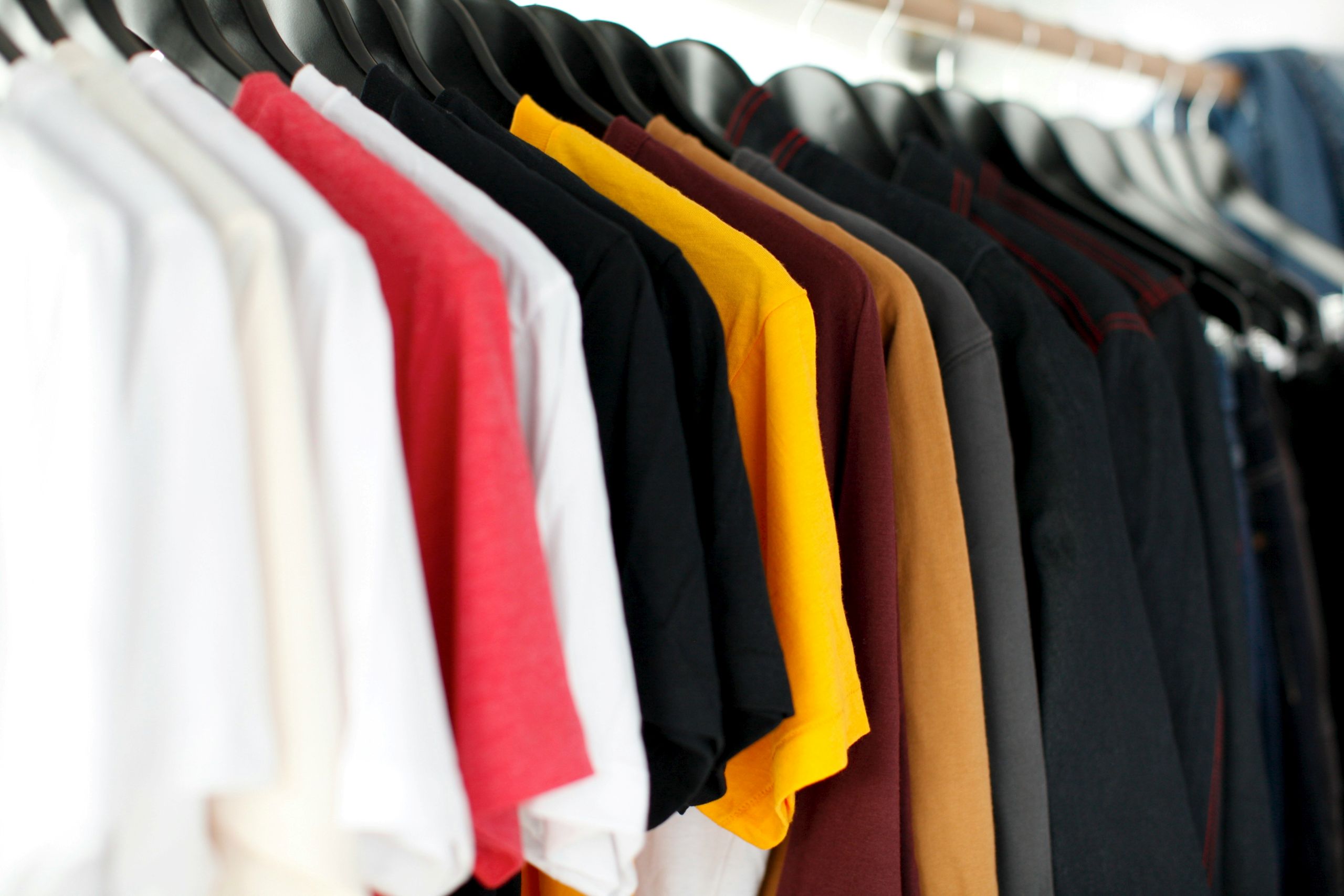
As the seasons change, your wardrobe changes with them. Lightweight cotton shirts and linen pieces may give way to sweaters, jackets, denim, and heavier fabrics as temperatures drop. While switching clothes is a normal part of the year, seasonal weather changes can also affect how fabrics look, feel, and perform.
Temperature, humidity, moisture, and even how often you wear certain garments can influence fabric condition. Some materials handle these changes well, while others need more attention to prevent shrinking, fading, stretching, odors, or other damage.
Understanding how different materials respond to seasonal conditions can make everyday clothing care much easier. With the right habits and professional cleaning when needed, you can help your favorite garments stay in good condition throughout the year.
Why Seasonal Weather Affects Your Clothes
Clothing does not exist in a vacuum. It is constantly exposed to the environment around it.
Humidity can cause some fabrics to absorb moisture from the air. Hot weather can lead to increased perspiration, while colder months often mean heavier layers that spend more time against the skin. Rain and damp conditions can also introduce moisture into garments, potentially contributing to odors or mildew when clothing is not dried and stored properly.
Even the transition between seasons can create problems. A garment that has been sitting in storage for several months may come out with wrinkles, odors, or signs of wear that were not immediately noticeable when it was put away.
This is where consistent seasonal clothing care becomes important.
Cotton and Seasonal Weather
Cotton is popular because it is comfortable, breathable, and relatively easy to care for. However, cotton can still respond noticeably to changes in temperature and moisture.
During warmer months, cotton absorbs perspiration and moisture. This can leave shirts, dresses, and other garments with body oils or odors even when they appear clean.
Humidity can also affect how cotton feels and dries. If damp cotton clothing is left sitting in a hamper or closet, it can develop an unpleasant smell.
As temperatures cool, cotton garments may spend more time layered underneath sweaters, jackets, or coats. Regular cleaning helps prevent accumulated perspiration and oils from becoming more difficult to remove later.
Wool Needs Extra Attention
Wool is commonly associated with fall and winter clothing, including sweaters, coats, scarves, and suits. Unlike lightweight summer fabrics, wool provides insulation and warmth, but it can require more careful handling.
Moisture and improper washing can affect wool fibers. Excessive heat, aggressive agitation, or inappropriate drying methods may contribute to shrinking, distortion, or changes in texture.
This is one reason garment care solutions should be tailored to the specific fabric rather than treating every piece of clothing the same way.
A wool coat may not need to be cleaned after every wear, but it should be inspected regularly. Surface dirt should be addressed, and the garment should be allowed to air out properly before being placed back into a closet.
For garments with specific care requirements, professional dry cleaning can provide an appropriate cleaning method while helping preserve the fabric’s structure.
Linen and Warmer Weather
Linen is particularly popular during spring and summer because of its lightweight and breathable nature. It allows air to circulate and can be comfortable during warm weather.
However, linen wrinkles easily. Changes in humidity can make those wrinkles more noticeable, and improper storage can leave linen garments heavily creased.
Linen can also absorb moisture, which means pieces worn frequently during hot weather may accumulate perspiration and body oils.
Before putting linen garments away for the season, make sure they are properly cleaned. Storing clothing with stains or body oils can allow those substances to become more difficult to remove over time.
Proper fabric maintenance before seasonal storage can make it easier to bring your summer wardrobe back out when warm weather returns.
Synthetic Fabrics and Odor
Polyester, nylon, spandex, and other synthetic materials are common in activewear, work clothing, outerwear, and everyday garments.
These fabrics can be durable and practical, but they can also hold onto odors, particularly when worn during physical activity or hot weather.
Synthetic fibers may interact differently with sweat and body oils than natural fibers. A garment can look clean while still retaining an odor that becomes noticeable when the fabric warms up again.
This is particularly relevant for athletic clothing. Proper washing, complete drying, and appropriate storage can help reduce persistent odors.
For garments that require special handling, professional cleaning may be helpful when standard home laundering does not adequately address buildup or odors.
Denim Can Change With Temperature and Moisture
Denim is generally durable, but that does not mean it is unaffected by seasonal conditions.
During hot weather, jeans can absorb sweat and body oils. During colder months, denim may be worn with heavier layers and for longer periods between washes.
Frequent washing can also affect color and fabric appearance. On the other hand, avoiding cleaning for too long can allow oils, dirt, and odors to accumulate.
The key is finding an appropriate cleaning routine based on how frequently the garment is worn and what it has been exposed to.
Delicate Fabrics Need Consistent Care
Silk, rayon, lace, velvet, and other delicate materials can be particularly sensitive to changes in moisture, temperature, and cleaning methods.
For example, silk can be affected by moisture and improper handling, while velvet can lose its appearance if cleaned or pressed incorrectly.
These fabrics are a good example of why professional garment care can be valuable. Rather than applying the same cleaning method to every item in your closet, professional cleaners can evaluate the garment and its care requirements.
At Hangers Cleaners, proper handling is part of maintaining the appearance and longevity of your clothing.
Humidity Can Affect Clothes Even When They Are in the Closet
One of the most overlooked parts of seasonal clothing care is humidity.
Clothing stored in a humid environment can be exposed to moisture even when it has not been worn. Poor ventilation can make the problem worse.
Over time, excess moisture can contribute to musty odors and may create conditions where mildew becomes a concern.
This is especially important when storing seasonal clothing for several months. Garments should be completely clean and dry before they are stored, and closets should have adequate airflow.
Avoid packing clothes away immediately after wearing them if they are damp from perspiration or weather. Give them time to dry completely first.
Why Professional Dry Cleaning Can Help
Not every garment responds to seasonal weather in the same way, and not every fabric should be cleaned using the same process.
Professional dry cleaning can be particularly useful for suits, coats, delicate fabrics, formalwear, and garments with specific care instructions.
Professional cleaning also gives you an opportunity to address stains and buildup before storing seasonal clothing. A stain that seems minor today may become more difficult to remove after sitting in a closet for several months.
Regular professional cleaning is therefore not simply about making clothes look fresh. It is also part of long-term fabric maintenance.
Build a Seasonal Garment Care Routine
A simple seasonal routine can make a noticeable difference in the condition of your wardrobe.
Before putting summer clothing away, inspect each piece for stains, odors, loose buttons, or other signs of wear. Clean garments before storage rather than assuming they will be fine after several months in the closet.
When bringing fall and winter clothing back out, inspect everything before wearing it. Look for musty odors, discoloration, wrinkles, or signs that the garment needs attention.
This approach gives you the opportunity to address small problems before they become bigger ones.
Keep Your Wardrobe Ready for Every Season
Seasonal changes are unavoidable, but clothing damage does not have to be.
Different fabrics respond differently to heat, humidity, moisture, and changing temperatures. Understanding those differences helps you make better decisions about washing, storing, and cleaning your clothes.
From lightweight linen and cotton to wool coats and delicate fabrics, proper garment care can help preserve appearance and extend the useful life of your wardrobe.
At Hangers Cleaners, we provide professional dry cleaning and garment care services designed to help you care for the clothing you wear throughout the year. When a garment needs more attention than a standard home wash can provide, professional cleaning can help you protect the fabric and keep it looking its best.